
Patio and Driveway Sealer Types Explained: Wet Look, Matt, Breathable and Solvent-Free
Patio and driveway sealers are used to help protect outdoor paving, paths and driveways from weathering, staining, water absorption, dirt and general wear. Some sealers also change the appearance of the surface by darkening the colour, adding a wet look, creating a matt finish, or leaving a more natural appearance.
This guide explains the main sealer types for patios, paths and driveways, including wet look, matt, natural finish, breathable, film-forming, solvent-based, water-based and solvent-free products. It is written for UK homeowners, DIY users and trade buyers who want to choose the right type before buying.
The main risk is choosing a sealer only by finish. A wet-look sealer may look attractive on one surface but too dark or patchy on another. A film-forming sealer may suit one driveway but be a poor choice where moisture, old coatings or drainage issues are present. The safest route is to match the product to the surface, condition, drainage and finish you actually want.
The Short Version Before You Pick a Sealer
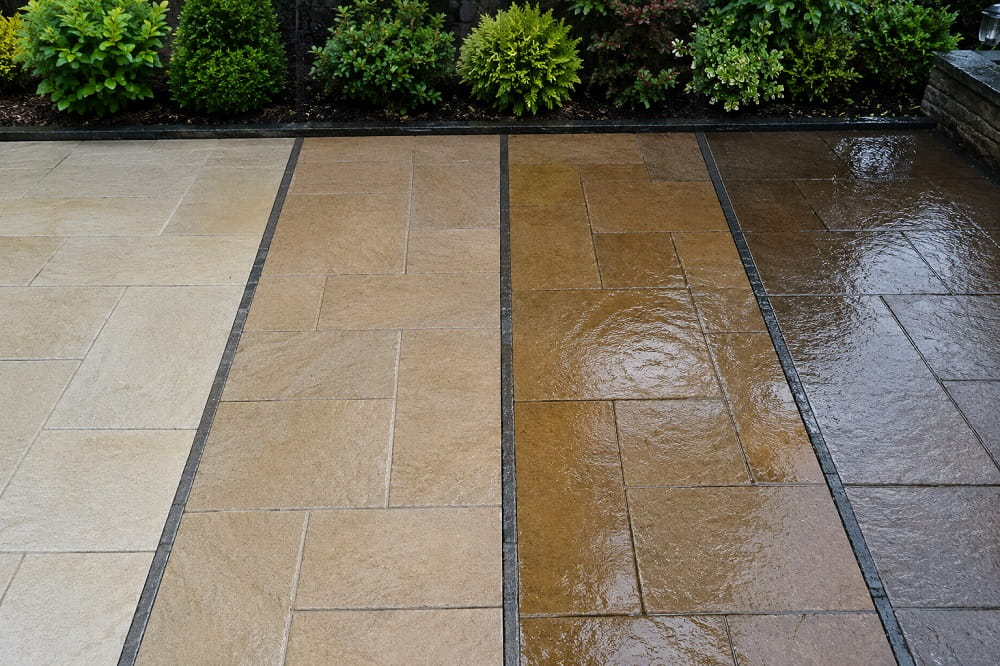
- Safest default: Do not seal a patio or driveway until the surface is clean, dry enough for the product, stable, stain-free and suitable for the sealer type.
- Wet-look sealers: Use these when you want a darker, richer finish, but always test first because the appearance can change strongly.
- Matt or natural finish sealers: Use these when you want protection with less shine and less obvious colour change.
- Breathable sealers: Consider these where moisture movement through the surface may matter, but check the surface and product guidance first.
- Film-forming sealers: These can give a more visible coating but may be less forgiving on damp, dirty, previously sealed or unevenly porous surfaces.
- Driveways need drainage checks: If sealing could affect run-off, pooling or front garden drainage, pause and check the surface-water route before applying anything.
What a Sealer Guide Cannot Decide for You
This guide does not replace the instructions for a specific sealer. Always check the product label, current data sheet, surface compatibility, coverage, drying time, weather window, coat requirements and safety guidance before use.
This guide also does not solve damaged paving, poor falls, failed drainage, old coating failure, oil contamination, white bloom, trapped moisture or unstable slabs. A sealer can help protect a suitable surface, but it is not a repair product for a surface that is already failing.
If the surface is heavily stained, dusty, oily, damp, algae-covered or covered in an unknown old coating, the preparation stage matters as much as the sealer choice. Cleaning, drying, testing and surface checks should happen before product selection is finalised.
Stop Checks Before Sealing
Pause before sealing if the surface is damp, newly laid, heavily stained, oily, dusty, crumbling, algae-covered, uneven, flaking, white, slippery or already coated with a product you cannot identify. Sealing over a problem can make the finished surface harder to correct later.
Escalate the job if the driveway falls towards the house, surface water runs towards public drainage, water pools for long periods, the paving moves underfoot, or the existing surface is peeling. These are signs that cleaning, drainage, repair or coating removal may be needed before a new sealer is applied.
Take extra care with front driveways. UK guidance around front garden paving focuses on permeable surfaces and rainwater run-off. Sealing should not create a surface-water problem or make an existing drainage issue worse.
Use suitable gloves, eye protection and sensible working conditions. Keep children and pets away during application and drying. Some products may have stronger odour, slip risk during application or specific disposal requirements, so follow the product instructions.
How the Main Sealer Types Differ
A patio or driveway sealer is a surface treatment applied to paving, slabs, block paving, stone, concrete, masonry or other hard landscaping materials. Depending on the product, it may soak into the surface, sit near the surface, bind loose particles, stabilise jointing sand, enhance colour or form a visible protective layer.
Sealers are usually compared in three ways: finish, breathability and formula type. Finish describes how the surface looks after treatment. Breathability describes how easily moisture vapour can pass through the treated surface. Formula type describes whether the product is water-based, solvent-based, solvent-free, penetrating or film-forming.
Wet look sealers
A wet-look sealer is chosen when the buyer wants a darker, colour-enhanced finish. It can make some paving look richer and more recently washed. It may be suitable where the surface looks tired, pale or faded and the user wants stronger colour depth.
Wet look does not suit every patio. It can darken the paving more than expected, especially on porous stone or mixed batches of slabs. It can also make patchiness more noticeable if the surface has uneven porosity, hidden moisture or previous coatings.
Use a wet-look sealer when colour enhancement is the goal and the surface has been tested. Do not use it when you want the paving to stay as close as possible to its natural dry colour.
Matt and natural finish sealers
Matt and natural finish sealers are chosen when the user wants protection without a strong shine or heavy colour change. They are often a safer visual choice for patios where the original surface appearance matters.
Natural finish does not always mean invisible. Some paving may still darken slightly or show a difference in tone after treatment. The effect depends on the material, porosity, age, colour and preparation.
Use a matt or natural finish sealer when the goal is lower visual change. Do not assume it will hide stains, revive faded colour or make old slabs look new.
Breathable sealers
A breathable sealer may allow moisture vapour to escape from the treated surface more easily than a closed film-forming coating. This can matter where a surface may hold moisture or where the material needs to release vapour after rain.
Breathable does not mean suitable for wet paving. If a patio is damp because of poor drainage, trapped water, shaded conditions or rising moisture, the cause should be checked before sealing.
Use a breathable product when the surface and product guidance support that choice. Do not use the word breathable as a shortcut for skipping drying, cleaning or drainage checks.
Film-forming sealers
A film-forming sealer creates a more visible surface layer. It may be chosen for stronger visual impact, surface presence, colour enhancement or easier wipe-down maintenance. Some block paving sealers can also help stabilise jointing sand where the product is suitable.
Film-forming products can be less forgiving if the surface is damp, contaminated, unevenly porous or previously coated. If moisture becomes trapped under a coating, the finish may look patchy or cloudy depending on the product and surface.
Use film-forming sealers when the surface is suitable, the finish is wanted, and the preparation is controlled. Do not use them as a cover-up for stains, white bloom, oil marks or coating failure.
Solvent-based, water-based and solvent-free sealers
Solvent-based, water-based and solvent-free terms describe broad formula differences. They may affect smell, handling, drying behaviour, clean-up, penetration and compatibility. They do not automatically tell you whether the product is right for your surface.
A solvent-based product may be suitable for some situations, while a water-based or solvent-free product may suit others. The correct choice depends on the paving material, desired finish, surface condition and manufacturer guidance.
Do not choose only because one formula sounds stronger or easier. Match the product to the surface and application conditions.
Choosing by Surface, Finish and Risk
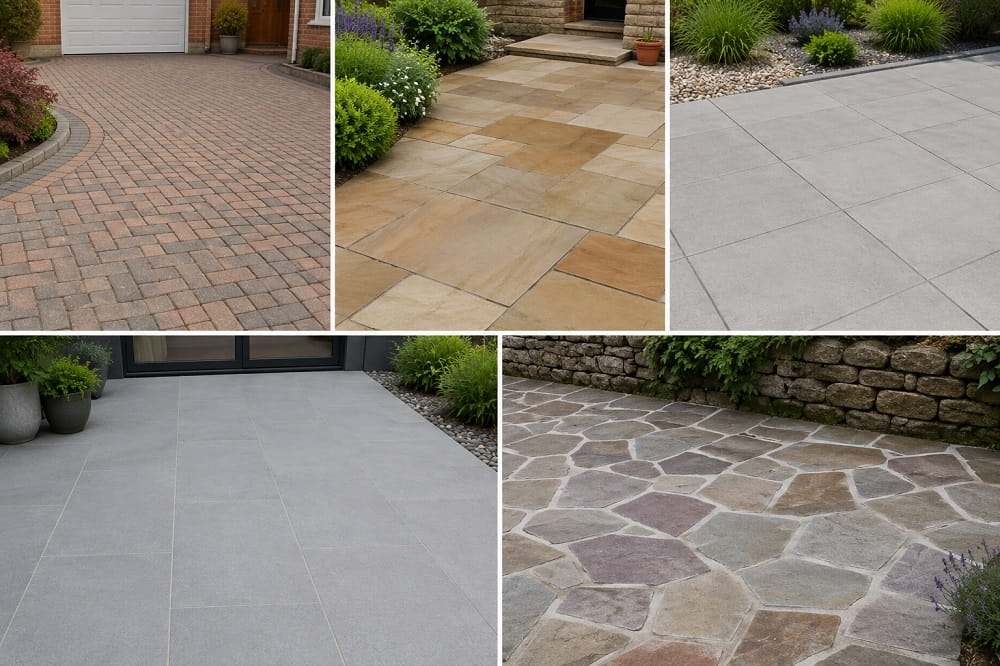
The best sealer type is the one that matches the surface, finish preference, moisture risk and use of the area. Start with the surface type before thinking about brand or finish.
Match the sealer to the surface
Block paving, concrete slabs, natural stone, porcelain, tarmac, masonry and Indian sandstone can all behave differently. Some surfaces absorb treatment quickly. Others are dense and may not allow the same level of penetration. Some are more sensitive to colour change, staining or residue.
If you are sealing natural stone or a high-value patio, test a small area first. If the result is too dark, too shiny or patchy, stop before applying it across the whole surface.
Choose the finish before choosing the brand
Decide whether you want colour enhancement, a dry natural look, a matt finish or a glossier appearance. Finish is not just a decorative choice. It affects how visible wear, dirt, tyre marks and future patching may become.
If the surface already has colour variation, a wet-look finish may increase the contrast. If the paving is pale and porous, test carefully before using a stronger enhancer.
Check porosity and moisture risk
Porosity affects how quickly a surface absorbs sealer. A very porous slab may absorb more product and may need careful coverage planning. A dense surface may reject the product or leave residue.
Moisture matters because sealing a surface before it is ready can affect the finish. If the surface dries slowly, has white marks, sits in shade or holds water after rain, pause before application.
Consider how the area is used
A patio used for garden furniture, food, planters and foot traffic does not face the same pressures as a driveway. A driveway has vehicle weight, tyres, oil risk, run-off, turning movement and stronger dirt exposure.
Use this when choosing between a lighter visual treatment and a more robust driveway-focused product. Do not assume a patio sealer and driveway sealer are interchangeable without checking the product guidance.
Drainage Checks for Driveways and Front Gardens
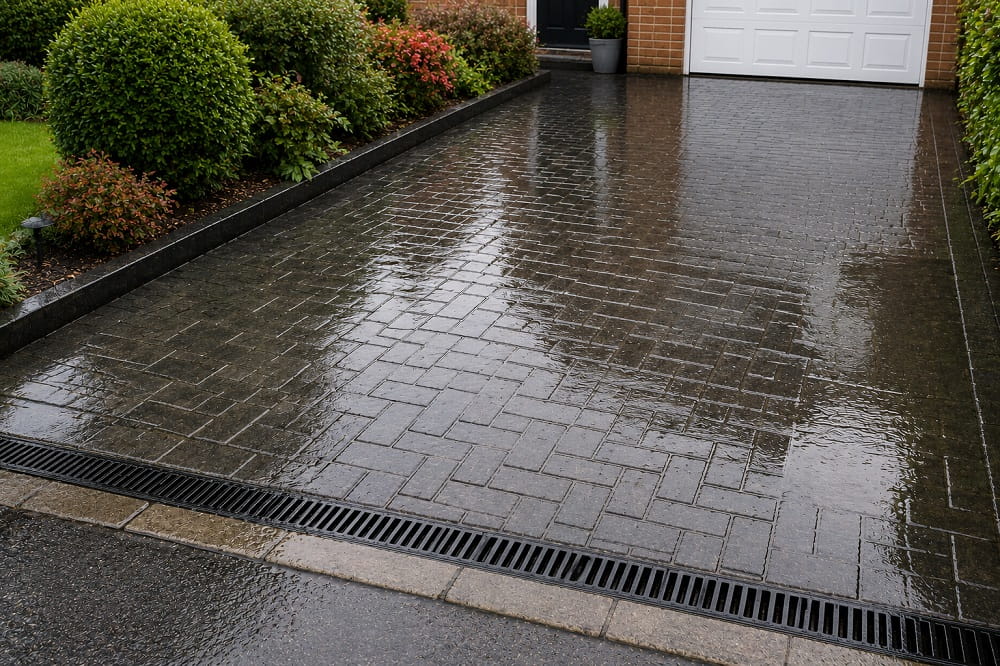
Driveways need extra checks before sealing because water has to go somewhere. If a surface is already non-permeable or drains badly, sealing may make pooling or run-off more noticeable.
Before sealing a driveway, look at the surface after rain. Check whether water drains into the ground, runs to a lawn or border, goes into a suitable drain, pools against the house, or flows towards the pavement or road.
For a full surface-by-surface process, use the DIY driveway sealing guide alongside current product instructions and drainage guidance.
Front garden paving and permeable surfacing
Front garden paving guidance often separates permeable surfaces from traditional impermeable surfaces. If a new or replacement driveway uses a permeable surface, planning permission is often not needed in standard situations. If the surface is impermeable and over certain thresholds, drainage and permission questions can matter.
This does not mean every sealing job needs planning permission. It means the drainage route should be checked before you apply a treatment that could affect how water behaves on the surface.
Block paving and joint stabilisation
Some block paving sealers are used where the buyer also wants to help stabilise jointing sand. This can be useful where the blocks are stable, the joints are filled correctly, and the surface is clean.
Do not seal over empty joints, weeds, loose sand or oil staining. Prepare the paving first. If the joints are poor, solve the jointing issue before sealing the surface.
Preparation That Protects the Finish
Preparation is the part that protects the finish. A good product can still look poor if it is applied to dirt, oil, moss, algae, dust, damp patches, white marks or old failed coating.
Clean before sealing
Remove loose dirt, weeds, moss, algae, oil, grease and surface debris. Choose a cleaning method that suits the paving. Delicate stone, textured slabs and older surfaces may not tolerate aggressive pressure washing.
After cleaning, allow the surface to dry in the way required by the product. A patio may look dry on the top while still holding moisture below.
Treat stains before sealing
Sealing over oil, rust, algae, leaf marks, or black spots can make those marks harder to remove later. If the surface is stained, treat the stain first and only seal when the surface is ready.
Do not use sealer as a way to hide contamination. It may darken the surface, but the stain can still remain visible or affect the final finish.
Do a small test area
A test area helps confirm colour change, surface absorption, finish, residue and drying behaviour. It is especially useful on Indian sandstone, concrete, old paving, mixed batches and pale slabs.
Choose a discreet but representative area. Wait long enough to judge the dry finish before sealing the whole surface.
Use suitable application tools
Application tools may include a roller, brush, sprayer, bucket, tray, gloves and cleaning cloths. The right method depends on the product and surface texture.
Where roller application is suitable for the product, a patio sealer roller application kit can help create a controlled application setup. Always check that the tool matches the product instructions.
Sealer Selection Errors to Avoid
One common mistake is sealing while the paving is still damp. Moisture can affect how some sealers settle, dry or appear. If the surface dries slowly, give it more time and check the product guidance.
Another mistake is choosing a wet-look finish without testing it. Wet-look sealers can change the colour strongly. That can be useful on some surfaces and disappointing on others.
A third mistake is ignoring drainage. Sealing a driveway does not fix poor falls, blocked drainage, standing water or run-off towards the building.
Some users seal over oil stains or algae because they want the surface finished quickly. This can trap the visual problem underneath the sealer and make later cleaning harder.
Another mistake is treating every stone surface the same. Indian sandstone, concrete, porcelain, tarmac and block paving are different surfaces. Surface testing and compatibility checks are important.
Users can also apply too much product. More sealer does not automatically mean better protection. Over-application can create residue, patching or an uneven finish depending on the surface and formula.
Keeping a Sealed Surface in Good Condition
A sealer can make maintenance easier, but it does not remove the need for cleaning. Outdoor surfaces still face rain, frost, sunlight, leaves, algae, soil, vehicle traffic, garden furniture, planters and general wear.
Inspect the surface after heavy rain and after the first few weeks of use. Look for pooling, whitening, patchiness, peeling, slippery areas, tyre marks, oil marks or early wear.
Keep a record of the product used, the date applied, surface condition, weather conditions and number of coats. This helps later if you need to clean, repair or recoat the surface.
Clean the surface gently and regularly. Avoid aggressive pressure washing unless both the surface and sealer can tolerate it. Strong pressure can affect joints, coatings and weaker paving.
Choosing Products and Buying Route
Before buying, decide your surface type, finish preference and risk level. Check whether the area is a patio, path, block paving driveway, concrete surface, natural stone area or masonry surface. Then choose the sealer type that matches the job.
For broad comparison, start with Path & Patio’s patio and driveway sealer range. This gives you the main category route for comparing outdoor sealing products.
If you are considering a Sika path or patio product, compare the surface and area against Sika 405 Path and Patio Seal 25L or the smaller Sika 405 Path and Patio Seal 5L. Choose size and product only after checking coverage, surface suitability and current instructions.
For wider Sika browsing, use the Sika patio, driveway and masonry sealer range. For block paving, a product such as Bond It block paving sealer may be relevant where the surface and instructions fit. For natural stone, a product such as Resiblock Indian sandstone sealer may be a better comparison route.
A typical sealing basket may include the chosen sealer, an application roller or brush, gloves, cleaning products, a bucket or tray, and surface-preparation tools. Do not buy the sealer alone if the surface still needs cleaning, stain removal or joint preparation.
Key Points to Remember
Patio and driveway sealers are chosen by surface type, finish, breathability, formula, moisture risk and use. Wet-look sealers enhance colour. Matt and natural finish sealers reduce visible change. Breathable sealers may help where moisture movement matters. Film-forming sealers can give a more visible coating but need careful preparation.
The safest approach is to clean the surface, check drainage, test a small area and follow product guidance before sealing. Do not seal over damp, dirty, oily, unstable, stained or poorly draining surfaces.
Frequently Asked Questions
What is the best patio sealer?
The best patio sealer depends on the surface, finish, porosity, moisture level and how the area is used. A natural finish may suit one patio, while a wet look or film-forming sealer may suit another.
What is the difference between wet look and matt patio sealer?
Wet-look sealer is used to darken and enhance the surface. Matt sealer is used when the buyer wants a lower-shine finish with less obvious colour change.
Can I seal a damp patio?
You should not seal a damp patio unless the product guidance clearly allows that condition. Damp surfaces can increase the risk of whitening, patchiness or poor finish.
Should I pressure wash before sealing?
Cleaning before sealing is usually important, but pressure washing must suit the surface. Aggressive pressure washing can damage delicate slabs, joints or old coatings.
Can patio sealer turn white?
Whitening can happen for several reasons, including trapped moisture, contamination, old coatings or unsuitable application conditions. Check the cause before applying more product.
Do driveways need breathable sealer?
Some driveway surfaces may benefit from a breathable product, but the right choice depends on the surface, moisture risk, drainage and sealer type. Check product guidance before buying.
Can I seal Indian sandstone?
Some Indian sandstone surfaces can be sealed, but they should be tested first. Natural stone can vary in colour, porosity and surface response, so a small trial area is important.

Path & Patio is a UK supplier of paving and landscaping products, sharing practical guidance, product expertise and installation advice for patios, paths and driveway projects.