
Decking Cleaner, Reviver, Stain or Anti-Slip Coating: Which One Do You Need?
Decking products are not one-size-fits-all. A decking cleaner, reviver, stain, oil, sealer and anti-slip coating each solves a different problem. Choosing the wrong product can waste time, create patchy results or hide a problem that should have been repaired first.
The right choice starts with the board condition. Dirty decking needs cleaning. Weathered grey timber may need reviving. Dry timber may need oiling or sealing. Faded boards may need stain. Slippery decking may need cleaning first, then an anti-slip coating if the boards are sound and the surface is compatible.
For timber protection products, use Decking Sealers and Oils. For broader decking cleaning and care products, use Decking Care and Maintenance.
Quick Answer: What Decking Product Should You Use?
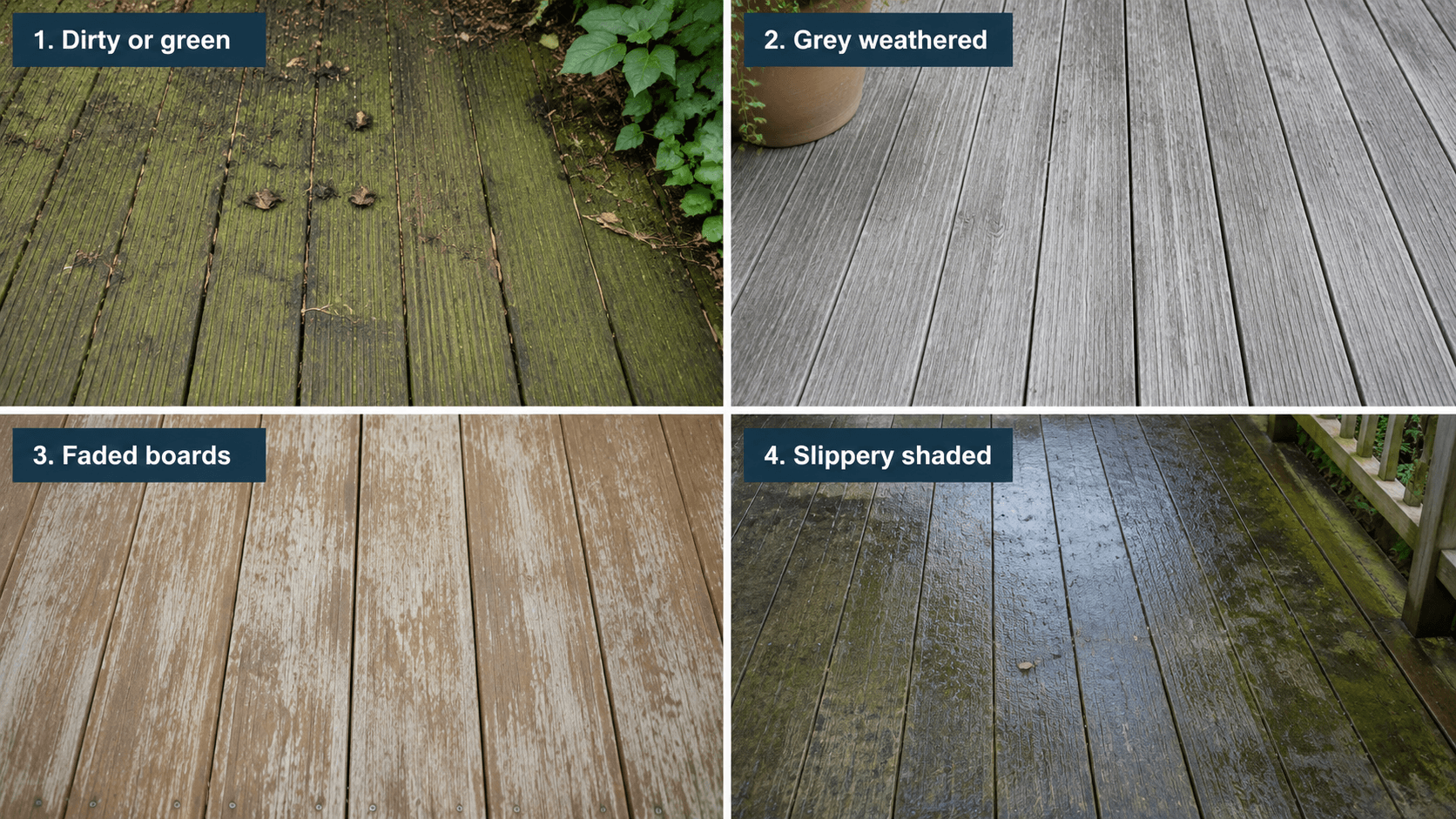
- Safest default: clean and inspect the deck before applying any reviver, oil, stain, sealer or anti-slip coating.
- Use a decking cleaner for algae, grime, mildew, food marks and general dirt.
- Use a decking reviver for weathered, grey or tired timber after cleaning, where the product is suitable for the timber.
- Use decking oil or sealer when clean, dry timber needs moisture protection, weather resistance or surface enhancement.
- Use decking stain when the colour needs refreshing or changing, but only after proper preparation.
- Use anti-slip coating only on a clean, sound and compatible surface. Do not use it to hide rot, movement or failed boards.
What This Guide Does Not Solve
This guide does not repair rotten boards, unsafe joists, loose fixings, failed handrails, collapsed substructures or decking that moves underfoot. Cleaning and coatings can improve appearance and surface grip, but they do not make unsafe decking structurally sound.
It also does not replace manufacturer instructions. Decking cleaners, revivers, stains, oils, sealers and anti-slip coatings vary by product. Some are suitable for bare timber only. Some can go over compatible previous finishes. Some are not suitable for composite boards, painted decking or damp timber.
If the deck is structurally weak, badly splintered, soft, rotten or heavily coated with an unknown finish, product choice should come after repair assessment, not before.
When to Pause or Escalate
Stop before applying any decking product if boards are loose, rotten, soft, springy, badly splintered or if fixings are raised. These are safety and repair issues. Products can improve a sound surface, but they cannot fix failed timber or a weak structure.
Pause before using stains, oils, sealers or coatings if the deck is still damp, dirty, slippery, newly cleaned but not fully dry, or covered with an incompatible old finish. Applying the product too early can lead to patchy absorption, poor adhesion or a finish that fails quickly.
Escalate to professional help if the deck remains slippery shortly after cleaning, if the old finish is peeling across the whole area, if sanding or stripping is required, or if the decking is part of a raised structure. For general timber deck maintenance, the TDCA deck maintenance guidance is a useful reference, especially on cleaning frequency and cautious power-spray use.
If sanding or cutting timber is needed, treat dust control as part of the job. The HSE wood dust guidance explains the health risks linked to wood dust exposure.
Why Product Choice Matters
Cleaning is not the same as protecting
A decking cleaner removes contamination from the surface. It does not necessarily protect the timber long term. Cleaning should usually happen before any oil, stain, sealer or coating is applied.
Reviving is not the same as staining
A reviver is usually used to improve the appearance of tired or weathered timber. A stain changes or refreshes colour. A reviver may bring back some natural tone, while a stain adds pigment. These are different outcomes and should not be treated as interchangeable.
Protection is not the same as grip
Oils and sealers are mainly about timber protection and appearance. Anti-slip coatings are about improving surface grip. If the deck is slippery because it is dirty, shaded or covered in algae, cleaning and airflow improvements should come before anti-slip treatment.
Decking Product Types Explained
Decking cleaners
Use a decking cleaner when the boards are dirty, green, greasy or affected by algae, mildew or general garden grime. A cleaner should be the first product considered on a deck that has not been maintained for a while.
Choose a cleaner that matches the deck material and existing finish. Timber, composite boards and painted surfaces may need different cleaning products. Do not assume a patio or masonry cleaner is suitable for decking.
Decking revivers
Use a decking reviver when timber looks grey, dull or weathered after cleaning. Revivers are most relevant to timber, not composite decking. They are often used before oiling, staining or sealing where the aim is to improve the appearance of aged timber.
A reviver is not a repair product. It will not fix rot, splitting, cupping, loose boards or structural weakness. If the surface is damaged, repair or sanding may be needed before any cosmetic treatment.
Decking stains
Use decking stain when you want to add or refresh colour. Stain can help even out the appearance of older timber, but it needs the right preparation. Dirty, damp or unevenly coated boards can produce patchy results.
Before staining, clean the deck, remove loose coating where needed, let the boards dry and test a small area. If the existing coating is unknown, do not assume compatibility.
Decking oils and sealers
Use decking oil or sealer when clean, dry timber needs protection from moisture, weathering and surface wear. Oils often enhance the grain and support the natural look of the timber. Sealers are usually chosen for moisture resistance and surface protection.
Oil or sealer should be applied only when the boards are clean, dry and suitable for the chosen product. If water is still sitting in board grooves or the timber feels damp, wait.
Anti-slip coatings
Use anti-slip coating when the surface is sound but needs additional grip. This is most relevant on steps, shaded routes, ramps and high-use walking areas. Clean the deck first so the coating bonds to the board surface rather than to algae, dirt or old residue.
Anti-slip coating is not a substitute for repairs. If the deck moves, flexes, splinters badly or has rot, address the repair issue before applying any surface coating.
Decision Framework: What Should You Use?
1. Is the deck safe?
Walk the deck carefully. If boards flex, move, feel soft or have raised fixings, stop before applying the product. Repair and safety come before cleaning, staining or coating.
2. Is the surface dirty or weathered?
If the surface is dirty, green or greasy, start with cleaning. If it is clean but grey and tired, a reviver may be appropriate. If it is clean and dry but needs protection, oil or sealer may be the right next step.
3. Is the problem colour or protection?
If the main problem is faded colour, consider a stain. If the main problem is dry timber or moisture exposure, consider oil or sealer. If the main problem is slipperiness, clean first and then consider anti-slip treatment if needed.
4. What is already on the deck?
Check whether the deck has old oil, stain, paint, sealer or anti-slip coating. New products may not bond or absorb properly over incompatible finishes. If the old finish is peeling or patchy, preparation may be needed before re-coating.
5. Is the deck dry enough?
Pause before applying reviver, stain, oil, sealer or coating if the deck is damp, recently washed, shaded and slow to dry, or if rain is expected before the product can cure. Drying and curing conditions affect the result.
Step-by-Step: Choose and Use the Right Decking Product
Step 1: Clear the deck
Remove furniture, pots, mats, barbecues and loose items. This exposes hidden damp patches and lets you inspect the surface properly.
Step 2: Sweep and inspect
Brush away leaves, soil, moss and loose dirt. Check fixings, board edges, steps, handrails and shaded sections. Do not cover safety defects with a product.
Step 3: Clean first
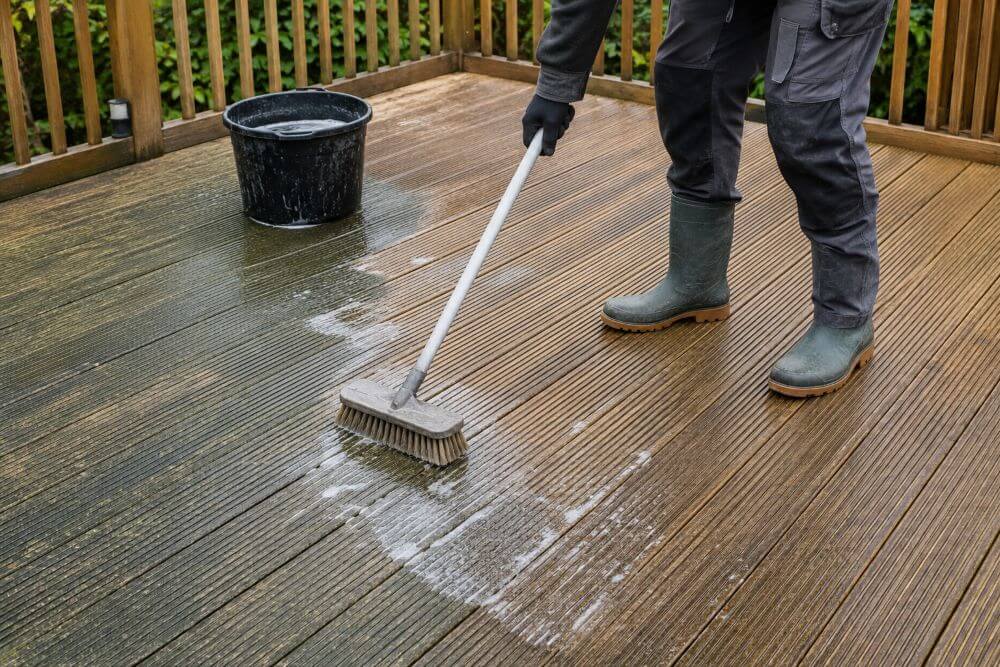
Use water and a brush for light dirt. Use a suitable decking cleaner where algae, mildew, grime or grease remain. Work in sections and follow the product label for application, dwell time and rinsing.
Step 4: Let the deck dry
Allow the boards to dry properly before deciding on reviver, stain, oil, sealer or coating. Drying time depends on weather, timber condition, shade and airflow.
Step 5: Decide on the next product
If the timber is clean but grey, consider a reviver. If it needs colour, consider stain. If it needs protection, consider oil or sealer. If it needs grip, consider anti-slip treatment. Do not apply more than one product unless the system is designed for that sequence.
Step 6: Patch test
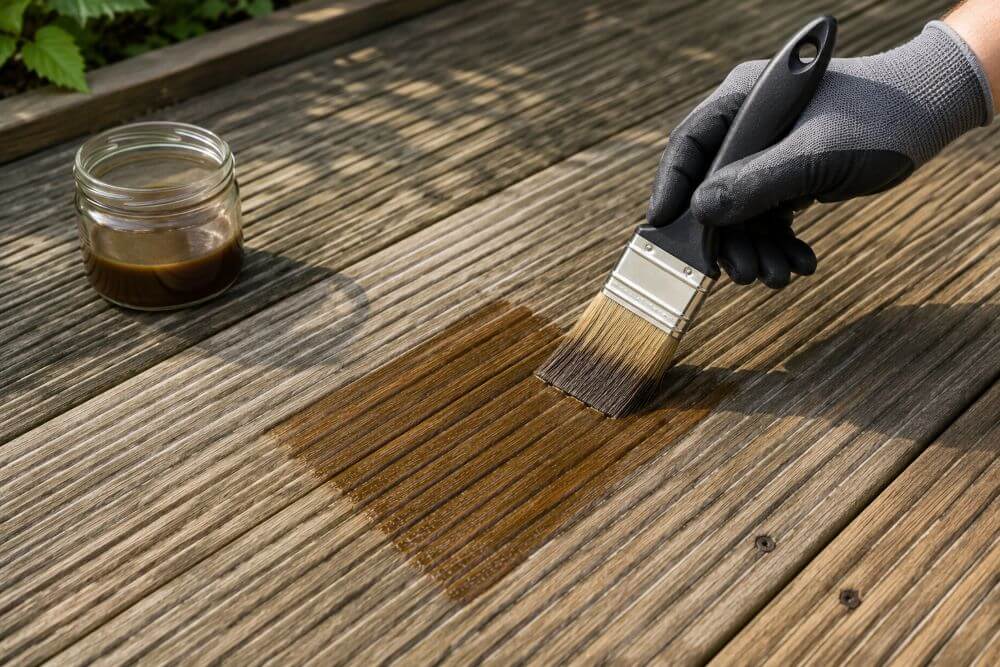
Test in a discreet area. Check colour, absorption, finish, adhesion and slip feel once dry. This is especially important on older timber, hardwood, previously coated decking and composite boards.
Step 7: Apply in suitable conditions
Apply only when the surface and weather match the product instructions. Avoid damp boards, direct hot sun where products dry too fast, and rain before curing. Use thin, controlled coats where the product requires it.
Step 8: Keep traffic off until ready
Keep people, pets, furniture and plant pots off the deck until the product has dried or cured according to the label. Early traffic can leave marks, patchy areas or reduced coating performance.
Common Mistakes
Using a treatment before cleaning
Applying oil, stain or coating over dirt, algae, or mildew traps the problem and usually gives a poor finish. Clean first, then assess.
Choosing a stain when the deck needs repair
Stain can improve colour, but it cannot fix rot, movement or severe splintering. Repair unsafe boards before cosmetic work.
Using an anti-slip coating over algae
Anti-slip coating should bond to a clean surface, not to green growth or dirt. If the deck is slippery, clean it first and improve airflow where possible.
Mixing product systems
Do not assume a cleaner, reviver, stain and sealer from different systems will all work together. Follow compatibility guidance and avoid layering products without a clear sequence.
Applying product to damp boards
Damp timber can cause poor absorption, patchy colour and coating problems. Let the deck dry fully before applying finishes.
Ignoring sanding safety
Sanding can be useful for refurbishment, but it creates wood dust. Use dust control, suitable protection and safe cleanup. Do not dry-sweep fine sanding dust into the air.
Maintenance and Prevention
Regular maintenance reduces the need for heavy restoration. Sweep the deck often, especially under furniture and pots. Keep leaves and soil from sitting on the boards. Move planters occasionally so air can circulate and water can drain below them.
Inspect the deck after winter, after heavy rain and before applying any product. If water sits on the boards, algae returns quickly, or the finish wears unevenly, the issue may be shade, airflow, drainage or traffic rather than product choice alone.
A practical routine is:
- Weekly in heavy-use periods: sweep leaves, food debris and soil.
- Monthly: inspect steps, shaded areas, fixings and high-use routes.
- Spring: clean the deck and assess the condition.
- Summer: apply protective treatment only if needed and conditions are suitable.
- Autumn: clear leaves before they stain or feed algae.
- Winter: prioritise safe access and avoid unnecessary soaking.
Your Next Step: DIY or Professional
DIY maintenance is usually suitable when the deck is structurally sound, the surface issue is clear, and you can match the product to the board condition. Start with cleaning, then decide whether the deck needs reviver, stain, oil, sealer or anti-slip coating.
Professional help is the safer route if boards are rotten, joists feel weak, handrails move, old coating is failing across the whole area, the surface is persistently slippery, or the work needs sanding, stripping, board replacement or structural repair.
Use the right category based on whether the deck needs cleaning, colour, protection or grip improvement.
Summary
Decking products solve different problems. Cleaners remove dirt and growth. Revivers improve tired timber. Stains add or refresh colour. Oils and sealers protect clean, dry timber. Anti-slip coatings add grip where the surface is sound and properly prepared.
The right sequence matters: inspect, clean, dry, then choose the product. Do not use coatings to hide damage, do not treat damp boards, and do not assume every product is compatible with every previous finish. A careful diagnosis gives better results than buying the strongest-looking product first.
Frequently Asked Questions
What is the difference between decking cleaner and decking reviver?
A cleaner removes dirt, algae, mildew and surface contamination. A reviver is used after cleaning to improve the appearance of weathered or grey timber where the product is suitable.
Should I use decking oil or decking stain?
Use decking oil where the aim is to nourish, enhance or protect timber while keeping a more natural look. Use stain where a colour change or a stronger colour refresh is the goal. Always check compatibility with the existing finish.
When should I use an anti-slip coating?
Use anti-slip coating when the deck is clean, sound and compatible, but needs more surface grip. It is most useful on steps, ramps, shaded areas and high-use routes.
Can I apply decking oil over an old stain?
Only if the product instructions allow it and the old stain is compatible, sound and clean. If the old finish is peeling or unknown, prepare the surface before applying anything new.
Do I need to clean the decking before applying the sealer?
Yes. Decking should be clean and dry before sealer, oil, stain or coating is applied. Applying products over dirt or algae can cause poor results.
Can I use the same product on timber and composite decking?
Not always. Timber and composite boards behave differently. Check the product label and the board manufacturer’s guidance before applying any cleaner, reviver or coating.
Why is my decking still slippery after cleaning?
Recurring slipperiness often means the conditions causing growth are still present: shade, poor airflow, wet leaves, trapped moisture or surface wear. Cleaning helps, but prevention may also be needed.
When should I get professional help?
Get help if the deck is structurally weak, rotten, persistently slippery, heavily coated, badly splintered or needs sanding, stripping or board replacement.

Path & Patio is a UK supplier of paving and landscaping products, sharing practical guidance, product expertise and installation advice for patios, paths and driveway projects.